Wednesday, August 8, 2018

Mostar

Lance and I have been wanting to travel to Mostar ever since we arrived in Bosnia/Herzegovina.  Mostar is located in the Canton of Herzegovina-Neretva in the southern part of the country.  It is featured in a video on Rick Steve's web site and has always looked interesting to us.  Plus...Lance follows a blog called Man in Seat 61, which talks about train rides you can take all over the world.  He writes that the train ride from Sarajevo to Mostar is one of the best you can take in this country.  

On the day we left we had to get up early to catch the tram to the train station.  The train to Mostar was scheduled to leave around 7:00 AM and would not come back to Sarajevo until after 10 that night.  That made for a long day.  To make matters worse...the temperatures in that part of the country were expected to be triple digits.  The forecast did not look any better in the days to come...so we decided it was now or never.

The train ride was very scenic...and included numerous tunnels along the way.  As you might imagine, it is hard to get a decent picture from a moving train, not to mention the reflection that you get off the window...but I tried my best.  The photo below is just one of the many beautiful sights we saw during our ride.  


After arriving at the train station, we walked to the historic center.  On the way, we passed by this interesting building.


Next, we saw the Stari Most (literally translated as Old Bridge) that spans the Neretva river.  It is one of the most recognizable structures in the country.  This Ottoman bridge was originally built in the 16th century, however, it was destroyed during the war that took place in Bosnia/Herzegovina in 1993.  After the war ended the bridge was eventually reconstructed with local materials and Ottoman construction techniques.  

During the summer months you can see young men diving off the bridge into the Neretva river.  There is also an organized diving contest that takes place during the end of July.  On the day we went to Mostar, we saw the divers in their swimsuits...but never had the chance to see them take the plunge. 


The old historic center has plenty of shops for all the visitors who come to see this historic town.


I liked the way they arranged stones in different designs to create sidewalks. 


Lance and I enjoyed lunch at this restaurant, which use to be an old mill back in the day.


The restaurant is located near the crooked bridge that was built as a test model for the Stari Most (Old Bridge.)    


Despite the hot, uncomfortable temperatures, we enjoyed our visit to Mostar.  After seeing the town...we headed for the air conditioned mall to enjoy a cold drink and to hang out until it was time to board the train again.  It was a day well spent.  


Saturday, August 4, 2018

Sarajevo...Where East Meets West


Sarajevo...where Eastern Cultures meet Western Cultures


Some cities you know you are going to love from the moment you arrive.  They're historic...well preserved...beautiful when they were first built...and continue to be so today.  Valencia, Spain is like that.  With other cities it requires more time to appreciate what they have to offer.  Sarajevo happens to be one of those cities.  However...that is the beauty of being able to stay for more than just a few days in one location.  You get to know the heart of a city...and some of the hidden places that make it special.  We have been in Sarajevo for about 3 weeks, and we continue to find all kinds of interesting things about this place.  

Our first impression when we arrived was that this is a place that has fallen on hard times.  And, it has.  Unemployment is high...many of the buildings are in need of repairs...and there is tagging (graffiti) everywhere.  In some respects it still seems to be recovering from a war that took place 27 years ago.  

In 1992 a civil war broke out here between the Bosnians (Muslims,) Serbs (Orthodox 
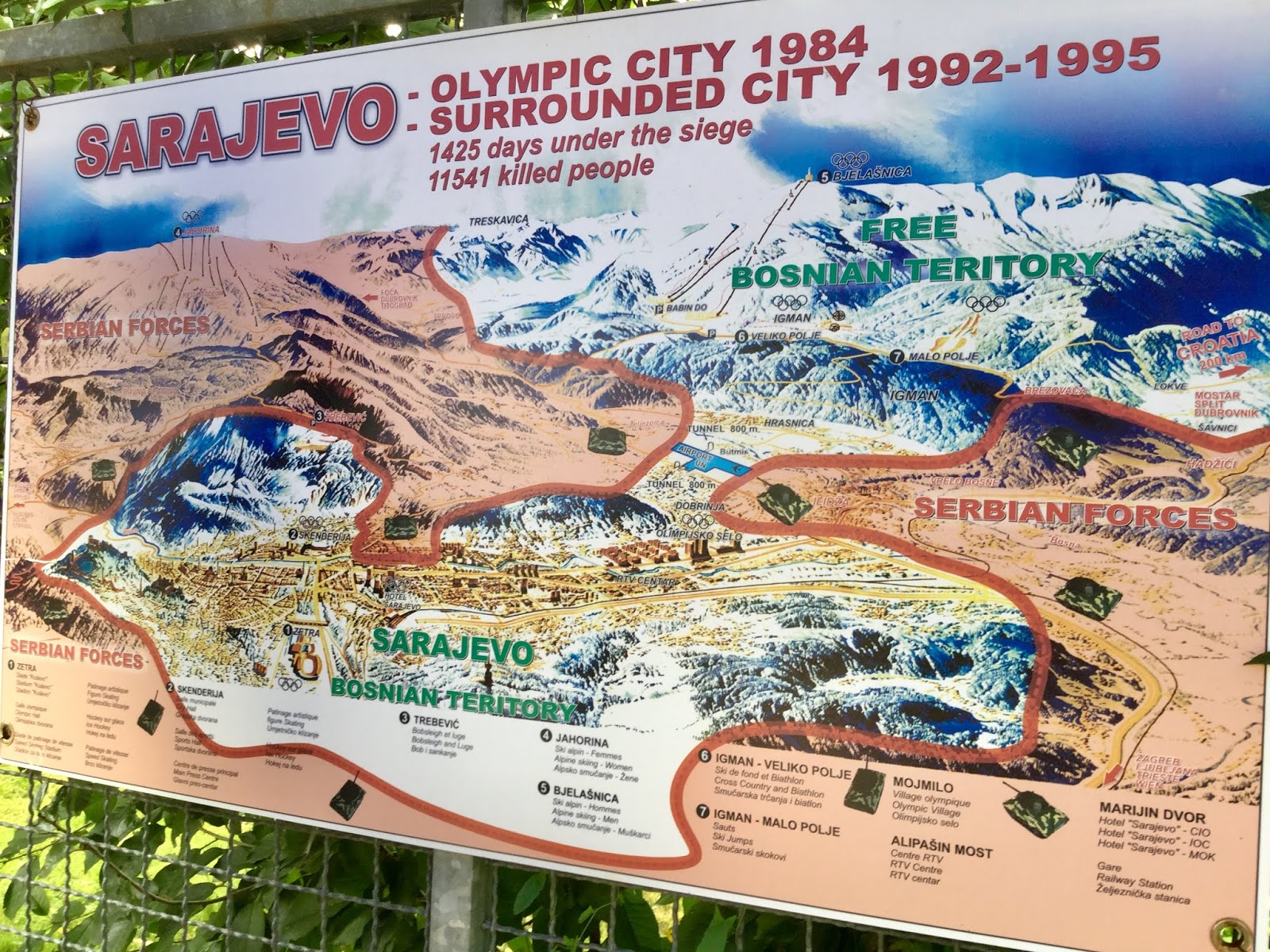
Christians,) and Croats (Catholics).  Although the war is often portrayed as ethnic...in fact all sides were Slavs, differing only in their religious background.  For three and a half years, Sarajevo...which sits in a valley...was under siege by Serbian troops located on the hills that surround the city.


Map of Sarajevo showing how the city was surrounded by the Serbian troops

What the surrounding hillsides of Sarajevo look like today
Sarajevo had no army and no real weapons.  They had to build civilian defense groups, and come together as a community in order to survive.  For more than three years the people had no electricity or heating fuel and had to dart across streets to obtain limited amounts of food or get water.  They were always in fear of getting shot by the snipers that lived in the surrounding hills.  No one was safe from the snipers, not even the children...but somehow life seemed to carry on.  By the end of the war more than 11,000 people had been killed.    

Today the city is filled with cemeteries that popped up during the war in all available spaces...including schoolyards, soccer fields, parks, and, anywhere else they could respectfully bury their dead.  


Muslim Cemetery located on a hillside near the city center


A small graveyard on the grounds of a mosque located near our home

You will also see spots called Sarajevo Roses throughout the city.  These are places where mortar shells hit and killed three or more people during the war.  The craters have been filled in with red paint as a memorial to the war and those who were killed in that spot.  

Sarajevo Rose located in the Vegetable and Fruit Market in the city of Sarajevo

We took a guided tour during our first week here to learn about the war.  Our guide was an 18 year old police officer at the time of the conflict, who fought in the war.  In fact, at one point during our tour, he showed us the scar on his leg where he had been shot.  The wound went through his thigh and out the back.  Today he makes money reliving his memories from this sad time in history. 

Our guide is the man above holding a water bottle in his hand.  The Tunnel of Hope is in the basement of this house which is located in a neighborhood near the airport.  

One of the spots we visited with our guide was the Sarajevo Tunnel...which is also called the Tunnel of Hope...that had been dug by hand during the conflict.  It ran from the airport...which was a safe zone managed by the United Nations...to the city of Sarajevo.  The tunnel allowed the people to get much needed food, war supplies, and humanitarian aid.  It was also a way for people to get safely out of the city. 


Inside the Tunnel of Hope


Tools used to dig the tunnel

Mortars used during the war.
Today there are remnants of the war everywhere you look.  Below are pictures of some of the military vehicles used during the conflict.  They are parked near the Cafe Tito...a popular bar and cafe frequented by locals and tourists.  


Eight years before the war broke out, the 1984 Winter Olympics were held in Sarajevo.  Today barely anything is left from that period of time, and what does remain lies in ruins.   This past week, Lance and I took a cable car up to the top of the mountain where the Luge track and Bobsled track were built.  Unfortunately, the tracks are now in poor repair, overgrown with weeds and covered in graffiti. 

Cable cars from the 1984 Olympics
Brand new cable cars opened in April, 2018
A section of the bobsled as it looks today
The Olympic torch as it appears today
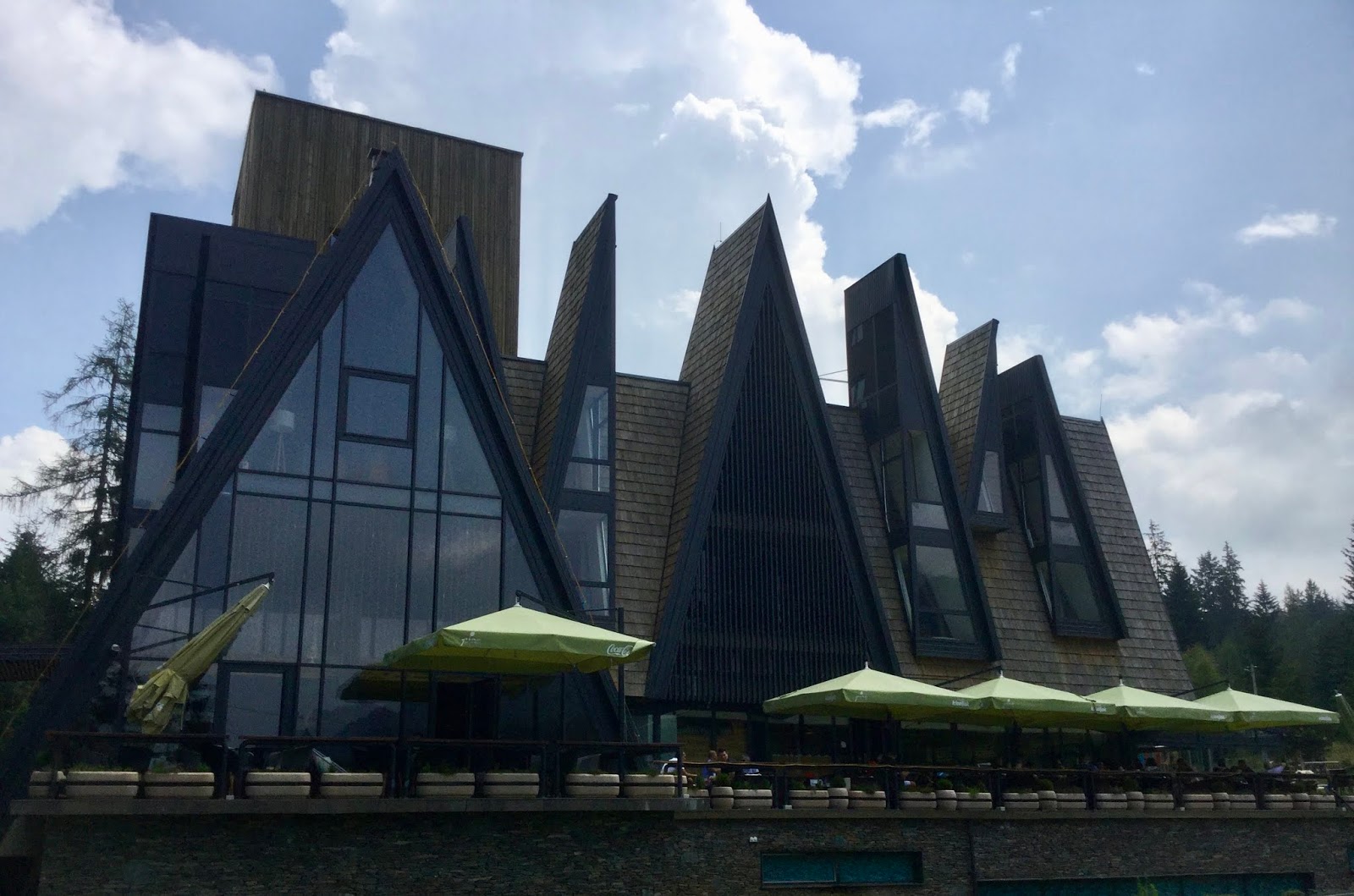
The good news is that a fancy new hotel can be found close to where the tracks from the bobsled stand.  We stopped by for lunch and a drink before taking the cable car back down the mountain.  The hotel is located in a beautiful space surrounded by the forest.  On the day we arrived the terrace was filled with visitors.  


Of course it is not all doom and gloom here in Sarajevo.  There are many interesting shops in the historic old town...along with many new stores and restaurants in the newer section of the city.  I definitely find the historic part of town much more interesting.  


There are lots of interesting souvenirs available for tourists to buy

A tin worker in the historic old town

Lance and I also enjoy using the trolley system here in Sarajevo.  It is an odd collection of older, used trolley cars donated by numerous countries after the war to help get the city back on it's feet.  One local referred to them as a living museum of trolley cars.     


Recently we came across a Zastava car show in the town square.  These cars were produced in Yugoslavia, and were made by the same company that manufactured the Yugo.  Yugo's were sold in the United States in the late 1970's...and...yes, I did own one at one time.  Oddly enough...so did Lance's brother.  These cars were in mint condition.      


Finally, I must mention how absolutely delicious the local food is here.  My favorite meal is Cevapi.  It is a grilled dish of minced meat that looks like a skinless sausage.  It is served with a type of flat bread, raw chopped onions and sour cream or cream cheese.  It is considered to be the national dish of Bosnia and can be found everywhere in the city.   


Next week we will be visiting Mostar for the day.  And, later in the week we will be attending the Sarajevo Film Festival. 


It is a big affair that runs from morning to night for an entire week.  Some of the movies are shown outside and others are at venues located throughout the town.  In the past, several famous movie stars from the States and Europe have been in attendance.  We have tickets for 11 of the more than 200 movies that will be presented.  When we went to buy our tickets, I was actually interviewed by the local TV station.  Unfortunately, we had no camera with us to record the event.  Maybe next time...      


Sunday, July 22, 2018

Moving On...from the Netherlands to Sarajevo

Our last full week in the Netherlands was a busy one.  It began with a decision to squeeze in one more tour near Rotterdam in a borough called Delfshaven.  According to Wikipedia, Delfshaven belonged to Delft until 1811, when it became a separate municipality.  In 1886 it requested and was granted permission to become part of Rotterdam.      

Our tour there was given by a man who was a retired headmaster of a primary school in Rotterdam.  He explained to us that the town of Delft was not located on a major river, so in 1389, a harbor was created about 6 miles south of the city.  It was built to receive ships and avoid tolls being levied by Rotterdam.  A city grew up around the harbor and it was named Delfshaven...or, Port of Delft.

           
Another interesting fact is that the Pilgrims that eventually settled in the United States came from this city.  They attended church in the building pictured below.


The Pilgrims boarded a ship called the Speedwell on August 1,1620, and set sail to England.  However, their ship was not sturdy enough to make it all the way to the States, so they made the rest of their voyage on the Mayflower.  Today, the town of Delfshaven...which escaped bombing during World War II...has a small historic center that has been carefully preserved.  It is a very desirable place to live, with many beautiful homes, restaurants, and bars. 


One of the main reasons we chose to come to the Netherlands was to attend the North Sea Jazz Festival, which fell at the very end of our stay. 


The festival lasts for three days and takes place at the Ahoy center in Rotterdam.  Most of the concerts are held inside this huge building that holds a variety of venues for the thousands of people who attend the festival.  It's the largest indoor Jazz Festival in the world.  One of the concerts we attended was Leon Bridges...who attracted a huge crowd.  He is new to us...and has a style and sound similar to Sam Cooke.  It was a great concert. 

The people on the floor are standing.  Surrounding the venue are seats on the first second and third floor...that's where we sat. 
By far my most favorite performance was by Cecile McLorin Salvant.  We had the privilege of seeing her four years ago at the Monterey Jazz Festival in California when she was just getting started.  We were impressed with her talent then...and are even more impressed today.  She is young...has a beautiful voice...chooses interesting pieces to perform...and dresses a bit eccentric.  A true talent and someone you should definitely check out if you are a jazz fan like us.  

A picture of Cecile and her band from our second row seats at her concert.

What a great time we had in the Netherlands...but all too soon our time came to an end.  We departed on July 17th...and headed for Sarajevo, Bosnia.  A city that is nothing like the Netherlands...but interesting in its own unique way. 

Here, we have one of the nicest and least expensive apartments since we departed from Cuenca.  The cost is half of what we paid in the Netherlands.


We are minutes from the historic downtown where there are all kinds of shops and restaurants.  It's important to mention that this city was at war from 1992 to 1995.  The war was part of the breakup of Yugoslavia.  As you walk through town, you will see many buildings with bullet holes, left as a reminder of this terrible time in their history.  

Look closely for the bullet holes on this historic building.

On our second day we took time to visit the War Childhood Museum that opened in 2017.  This museum tells the experiences of children who lived through the war in the 1990's.  Over 1,000 young adults submitted their memories.  Some gave objects that were connected with their memory and others gave an oral testimony that was made into a video that is shown in the museum.  An example of one of these exhibits is shown below...


There are many Muslims that live in Sarajevo.  They worship at mosques that you will find throughout the city.  The mosques can be identified in the city by the menuet's that are found adjacent to them.    


On Friday we went to visit one of the mosques to hear the call to prayer, which has a very exotic sound.  


Below is a place where men can wash their feet before entering the mosque.  We were unable to tour the mosque during prayer time, so we plan to return at a later date to see inside the building.    


Here are a few other pictures of our newest city.  


The Latin Bridge that spans the river.  It is one of several bridges that takes you into the historic center of Sarajevo.

A coffee house located in the park close to where we live.

A market where you can purchase a large variety of meats and cheese.


The ruins of Taslihan...an old hotel/inn form the Ottoman's time.

A catholic church located in the historic center.